Lycopene May Help Cancer Patients
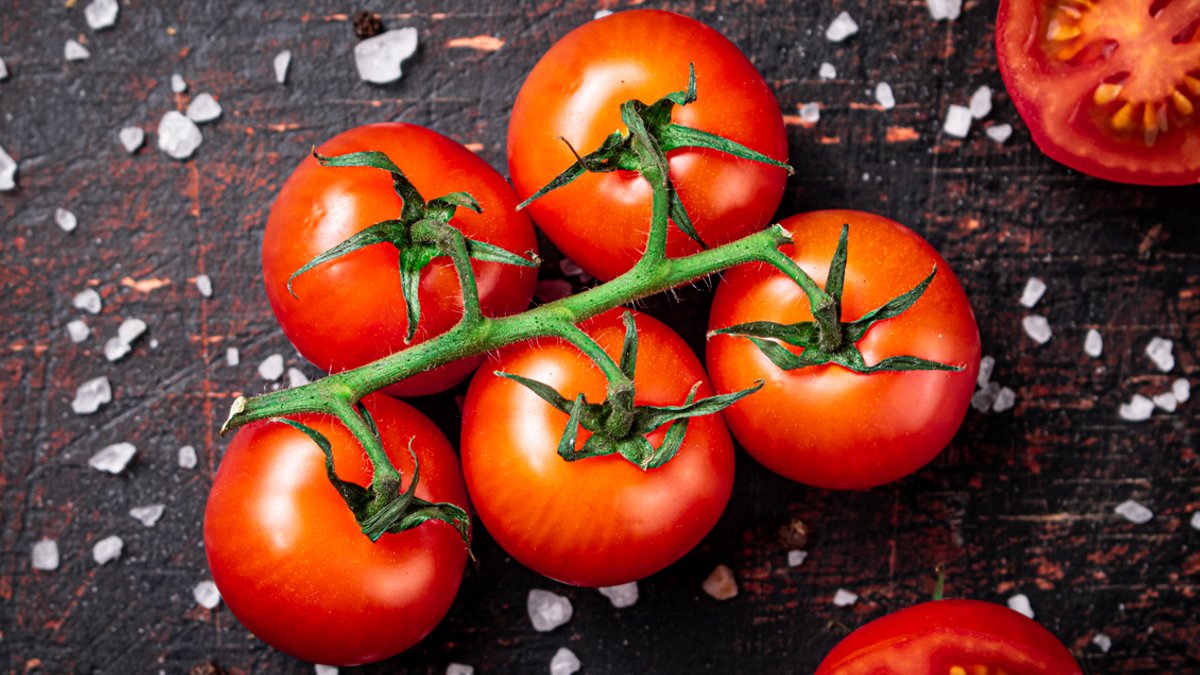
A sweeping new analysis suggests tomatoes deserve credit for something far bigger than flavor alone. Researchers combined data from more than 100 studies spanning decades of research. They found a clear link between lycopene, the pigment that gives tomatoes their red color, and a meaningfully lower risk of cancer.
Published in Frontiers in Nutrition in early 2025, the systematic review pulled together 121 prospective studies. Together, they tracked outcomes for more than 108,000 people diagnosed with cancer. The research also captured over 10,000 cancer deaths.
People with the highest lycopene intake had a 5% lower risk of developing cancer overall. Notably, people with the highest measured blood lycopene levels had an even higher 11% lower risk. That gap suggests how much lycopene the body actually absorbs matters as much as how much gets eaten.
The protective pattern held for prostate cancer specifically. As lycopene intake rose, prostate cancer risk fell in a straight line. Researchers found no plateau in that relationship, meaning the reduction continued to grow alongside consumption.
Related: Garlic Boosts Heart Health After Eating
For patients managing long-term health risks, this data points toward a straightforward dietary adjustment rather than a medical overhaul. It suggests that simply adding a daily serving of red produce to a balanced plate could offer measurable protection without drastic changes to lifestyle habits.
Tomato Consumption Affects Survival Rates
Beyond preventing new cancer cases, lycopene appeared to influence survival. People with higher tomato intake had an 11% lower risk of cancer death. Higher lycopene intake specifically was linked to a 16% lower risk.
Blood lycopene levels told a similar story. People with the highest levels had a 24% lower risk of dying from cancer than those with the lowest levels. That protective link even extended to lung cancer deaths, where high blood lycopene corresponded to a 35% lower mortality risk.
Interestingly, the mortality benefit did not increase endlessly with more lycopene. Protection peaked at daily intakes between 5 and 8 milligrams. That amount roughly equals one to two medium tomatoes, before the benefit leveled off.
Limitations and Dietary Advice
Every study included here tracked real people over time rather than assigning tomatoes in a controlled trial. Because of that design, researchers can identify a strong association. They cannot fully rule out that people who eat more tomatoes also live healthier lives in other ways.
Related: Fitness alternatives to the gym due to Covid-19
Most of the included research came from Western countries. As a result, the research team cautioned against assuming identical results in every population worldwide, since diet, genetics, and lifestyle patterns vary widely across regions. Still, the consistency across 121 separate studies, spanning follow-up periods as long as three decades, gives this pattern real weight.
Pair fresh tomatoes with a healthy fat like avocado to boost absorption. Lycopene is fat-soluble, so a few slices of avocado alongside raw tomato helps the body take up the pigment. Olive oil, nuts, or a drizzle of tahini work just as well when avocado is not on hand.
Pink grapefruit and guava are good options, as is watermelon. Each of these carries meaningful amounts of the same pigment. Spreading intake across several foods throughout the week keeps meals interesting while still building toward that protective range.
Pair tomatoes with the rest of a produce-forward plate. Colorful vegetables bring their own distinct antioxidants that appear to work alongside lycopene rather than compete with the pigment. A plate built around variety, rather than any single ingredient, tends to serve long-term health best.

Garlic Boosts Heart Health After Eating


