Makeup brushes carry hidden skin risks
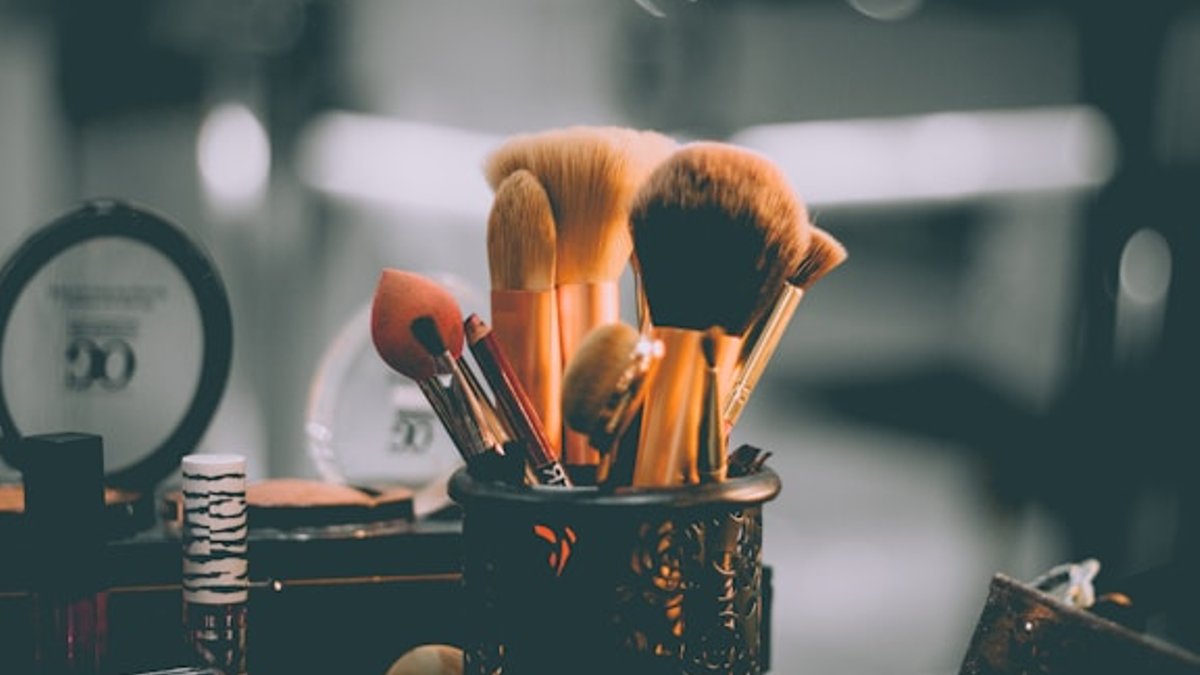
Dirty makeup brushes and sponges carry more bacteria than most people realize, and this poses risks to skin health. While skincare routines receive careful attention, the cleanliness of makeup tools often goes unchecked despite their direct contact with the face.
The Hidden Buildup in Your Brushes
Every swipe of a makeup brush transfers more than just product. Natural skin oils, sweat, and environmental dirt accumulate in the bristles with each use. Over time, this buildup creates an environment where bacteria, yeast, and other microorganisms thrive, particularly in warm, humid spaces like bathrooms.
Research has shown that cosmetic tools can harbor harmful microbes when not cleaned regularly. Even brushes that look clean may have grime embedded deep within the fibers. Powders, foundations, and creams can harden inside the bristles, making thorough cleaning necessary to prevent contamination.
Most users don’t realize how quickly this happens. A brush used daily can become a reservoir for bacteria within a week, no matter how carefully it’s handled.
How Dirty Brushes Harm Your Skin
Neglected makeup tools affect more than just hygiene. When brushes deposit old makeup, oils, and bacteria onto the skin, they can clog pores and cause irritation. Those with acne-prone or sensitive skin may be more likely to be affected by poor brush cleanliness.
Dirty brushes also reduce the effectiveness of skincare products. Expensive cleansers and serums may not work as well if tools keep reintroducing dirt and germs. Even makeup application suffers—product buildup changes brush texture, leading to streaky, uneven coverage.
The problem extends beyond skin health. Brushes that aren’t cleaned regularly wear out faster, losing their shape and performance.
Related: Founder of Oddbird Pushes Dealcoholized Wine Trend
Despite widespread awareness of makeup hygiene recommendations, many consumers clean their brushes far less frequently than experts suggest. Maintenance routines are often put off because people are busy, it’s inconvenient, or they aren’t sure how to clean something properly. A common misconception is that brushes used by only one person stay pretty clean, but natural oils, skin cells, and environmental particles continue to accumulate regardless of who uses the brush.
Another concern is damaging expensive brushes. However, proper cleaning techniques and quality maintenance products are specifically designed to preserve brush integrity while effectively removing buildup.
Building a Simple, Effective Cleaning Routine
Experts advise cleaning frequently used brushes at least once a week. Brushes that are used around the eyes may need to be cleaned even more often. Consistency is key; even a quick rinse with a mild cleanser helps.
Proper drying prevents bacteria from growing. Brushes should air-dry completely before storage. Storing them upright or in a ventilated container reduces contamination between uses.
Clean brushes also last longer. Without buildup, bristles apply product smoothly and retain their shape. For those who invest in quality tools, regular cleaning protects that investment.
As awareness of brush hygiene grows, more people are treating their makeup tools as part of their skincare routine. The change benefits both appearance and well-being.

MERIT Checks into Ritz-Carlton with Travel Beauty Routine


