Kite showcases CAR T portfolio at ICML 2025
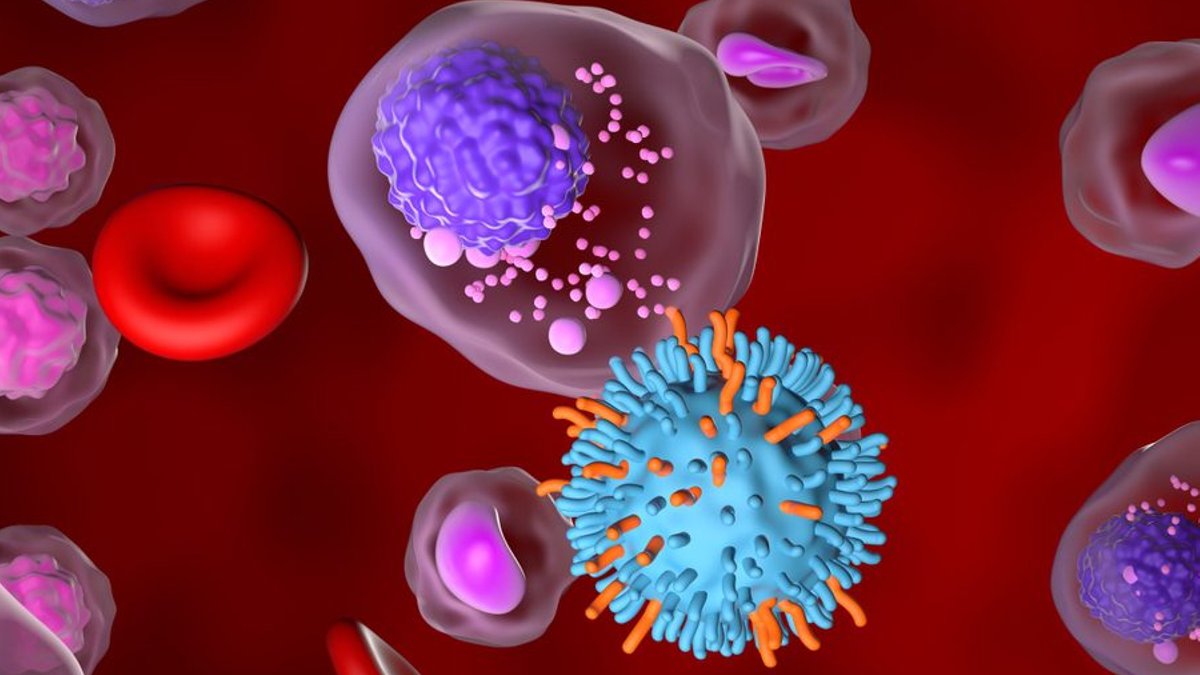
Kite, a Gilead company, will unveil eight abstracts at the International Conference on Malignant Lymphoma (ICML) in Lugano, Switzerland, from 17‑21 June 2025, showcasing its portfolio of CAR T-cell therapy products.
Real‑world data on Richter Transformation
The conference will feature the largest cohort analysis of patients treated with axicabtagene ciloleucel for Richter transformation to large B‑cell lymphoma, compiled by the Center for International Blood and Marrow Transplant Research (CIBMTR).
The study reports a median follow‑up of 26 months and a median duration of response of 19 months. The team describes the outcomes as promising for a patient group with limited options.
Safety findings align with earlier large‑cell lymphoma studies, suggesting the approach maintains an acceptable risk profile. The investigators note that adverse events did not exceed expectations based on prior trials.
Early‑stage candidate shows tolerable safety
Another presentation will cover the Phase 1 KITE‑363 study, which evaluates a next‑generation anti‑CD19/CD20 construct in relapsed or refractory B‑cell lymphoma. Early results indicate a tolerable safety profile, reinforcing the feasibility of dual‑target designs.
The session draws global interest.
“Kite is pleased to once again attend ICML to present our latest advancements in haematological cancer treatment and build on our commitment to create a strong real‑world evidence base for CAR T‑cell therapy,” said Dan Tovar, Head of Medical Affairs Cell Therapy for the Australia, Canada and Europe (ACE) region.
Related: EU to develop respiratory health plan
He added, “We look forward to discussing the potential of our portfolio and our innovative pipeline to address the unmet need in difficult‑to‑treat blood cancers.”
The inclusion of both established products—Yescarta® (axicabtagene ciloleucel) and Tecartus® (brexucabtagene autoleucel)—and investigational candidates highlights the company’s strategy to broaden options across disease settings. While the data are encouraging, the field remains cautious; the durability of responses in real‑world practice can differ from controlled trial environments, and longer observation will be needed.
Abstract #143 by Winter et al. details the real‑world outcomes for Richter transformation, and abstract #103 by Dahiya et al. presents the Phase 1 findings of the KITE‑363 study. Both will be part of the oral session lineup.
Attendees can expect detailed discussions on patient selection, management of toxicities, and integration of these cellular products into existing treatment algorithms.
The gathering also offers a forum for clinicians to exchange experiences from diverse health‑system contexts.
As the meeting progresses, the company plans to release additional data on manufacturing timelines and logistical considerations, topics that often influence adoption rates. Its presence at ICML highlights ongoing investment in evidence generation for both approved and pipeline assets.


