Garlic Boosts Heart Health After Eating
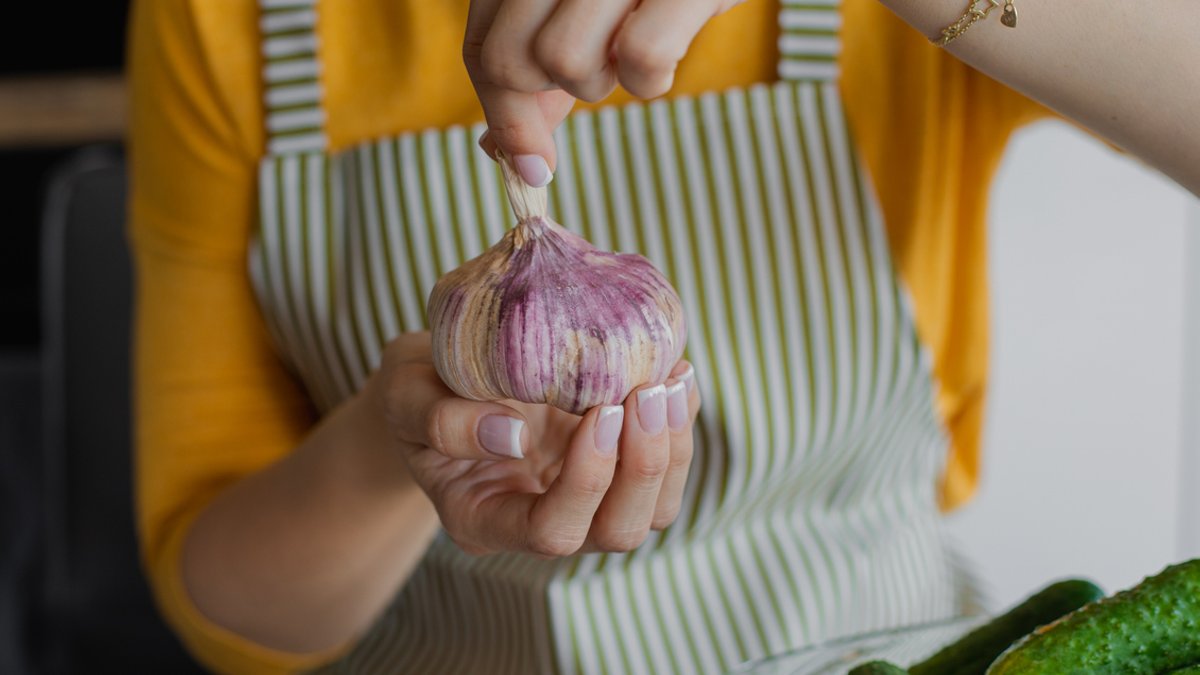
Garlic has long been a staple in traditional diets, but recent scientific evidence suggests the benefits go far beyond folklore. A massive new analysis has handed centuries-old habits real scientific significance by confirming that regular consumption measurably improves cardiovascular health metrics.
Researchers recently published a major meta-analysis in Nutrition Reviews, which pulled together data from more than 7,100 participants across 108 trials. The team tracked outcomes for triglycerides, cholesterol, blood sugar, blood pressure, and inflammation markers.
People who ate garlic regularly saw significant drops in total cholesterol, LDL cholesterol, and triglycerides, while HDL cholesterol levels rose. Blood pressure also improved, with both the top and bottom numbers showing meaningful changes.
These improvements were most pronounced in participants who started with unfavorable health numbers. Those with higher baseline cholesterol or blood pressure saw the greatest shifts, while individuals with healthier baselines experienced smaller changes.
Related: Routines aid elderly in staying independent
Beyond cholesterol and blood pressure, the analysis found that garlic improved blood sugar control. Fasting glucose, insulin levels, and insulin resistance all decreased. Researchers also noted drops in inflammation markers like CRP and TNF-alpha, compounds linked to heart disease.
The combination of better metabolic control and reduced inflammation points to garlic offering broader protection than just one isolated metric. Arteries respond to years of accumulated daily habits, and standard checkups often miss early changes.
A family history of heart disease is reason enough to look closer at the gap between routine testing and daily choices.
Rotating garlic into meals consistently rather than using it occasionally builds a measurable effect. A few cloves a few times a week can make a difference, whether that means roasted garlic spread on bread, garlic-forward salad dressings, or adding fresh garlic to summer vegetables. Consistency matters more than intensity.
Related: Moa Gürbüzer on changing drinking culture without alcohol
Garlic’s protective reach extends beyond the heart to oxidative stress. The analysis found that garlic increased total antioxidant capacity while lowering malondialdehyde, a byproduct of cell damage.
This shift in cellular health touches nearly every system in the body, from blood vessel walls to immune cells, over time. The sulfur compounds in garlic also lend biological plausibility to its long-standing reputation for immune support.
The chemical reaction that produces these health benefits starts the moment garlic is cut. Crushing or chopping garlic cells triggers the formation of allicin, the compound responsible for many of the observed effects.
Letting crushed garlic sit for about ten minutes before adding heat gives that reaction time to complete. Adding garlic near the end of cooking preserves more protective potential than hours of simmering, as high heat can break down some beneficial compounds.

Routines aid elderly in staying independent


