Ancient Remedy Offers Stress And Anxiety Relief
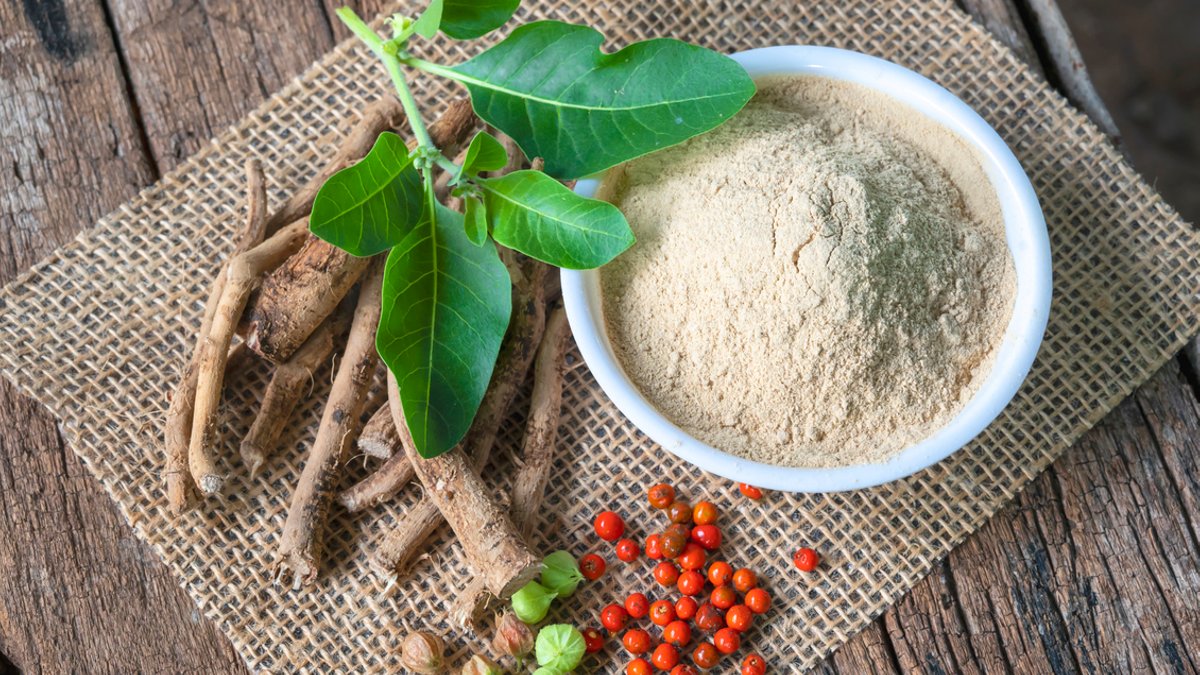
The clock reads 2 a.m. and the to-do list in your head will not stop scrolling. Somewhere between the unanswered email and the thing you said too sharply to someone you love, sleep stops being an option. Most doctors tend to hand out the same short list for chronic stress: exercise more, sleep better, maybe consider medication if things get bad enough. But a newly published 2026 analysis suggests an ancient root deserves a spot on that list too.
Researchers from two universities teamed up to combine data from 22 randomized controlled trials. Those trials included 1,391 adults in total. The review, published in Complementary Therapies in Medicine in early 2026, zeroed in on ashwagandha and mental health outcomes specifically.
A Consistent Signal on Stress
The data showed a clear pattern. Stress scores dropped significantly among people taking ashwagandha compared to those given a placebo. Anxiety and depression symptoms improved too. Every one of those outcomes reached statistical significance across the pooled data.
Researchers also found a relationship between the amount of herb taken and the observed effects. Higher amounts produced stronger effects, up to a point, before the curve leveled off. This dose-dependent response suggests the effects are genuine physiological reactions rather than random variation.
Related: Special Seed Helps Prevent Heart Disease and Diabetes
The findings highlight a distinction between this botanical approach and many conventional pharmaceutical interventions. While standard medications often target immediate symptom management through rapid neurotransmitter adjustment, ashwagandha appears to require a cumulative physiological presence to effectively modulate the body’s stress response systems over time.
Twenty-two trials provided the data set. These studies covered 1,391 adults across various demographics. The statistical significance was clear. Stress, anxiety, and depression metrics all moved in a positive direction. unrelated to the data, the history of the plant spans thousands of years in traditional Indian medicine.
Beyond Stress Reduction
Stress relief is not the only reason ashwagandha has stuck around for thousands of years in Ayurvedic medicine. Older research links the root to modest improvements in sleep quality. This makes sense as a natural extension of calmer stress hormones at bedtime.
Separate trials in men have found increases in testosterone and muscle strength showing up alongside the anxiety benefits. Ashwagandha also shows antioxidant and anti-inflammatory activity in laboratory research. These are the same mechanisms researchers suspect drive some of the stress-related benefits.
How to Use It
Root powder mixed into warm milk is the traditional route, and the method still works well. A teaspoon stirred into warm milk before bed predates the clinical trials by centuries. Plant-based milk works just as well for anyone looking to avoid dairy. A bit of honey or cinnamon softens the mildly bitter, earthy taste.
Related: Chamomile tea may lower gum disease risk
Prefer capsules? Look for products listing withanolide content on the label, since that compound drove results in most trials reviewed. Most studied amounts fell between 300 and 600 milligrams daily, taken consistently rather than sporadically.
Patience matters more than people expect. Most trials showing meaningful stress and anxiety improvements ran eight weeks or longer. Taking the herb sporadically isn’t likely to yield the results that was seen in the studies. A few days of use rarely reflects what steady, daily intake can do.
The Bigger Picture
Ashwagandha nudges cortisol and anxiety symptoms in a helpful direction, but chronic stress rarely stems from one missing herb. Adrenal function, blood sugar swings, and nutrient depletion all interact with the same stress response that ashwagandha only partly addresses.
The adrenal glands pumping out cortisol do not work in isolation from the thyroid gland regulating metabolism. The two systems influence each other constantly. A nightly cup of ashwagandha milk handles one input among several. It is a start, not a finish line.

Special Seed Helps Prevent Heart Disease and Diabetes


