Chamomile tea may lower gum disease risk
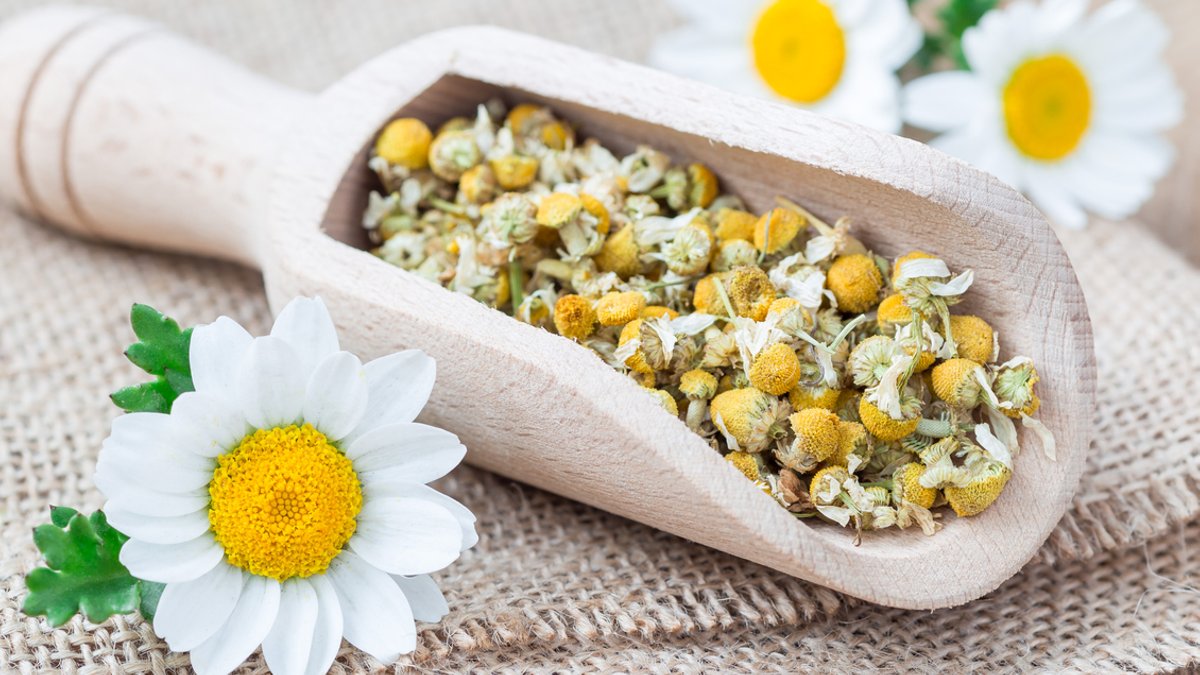
Chamomile tea could potentially reduce the risk of gum disease, according to a new clinical trial published in April 2026. Researchers from a Romanian university split 175 healthy adults into five groups to test whether a simple herbal rinse could compete with prescription-strength antiseptics. While most people associate the flower with sleep, the study found that a daily chamomile rinse produced significant reductions in plaque buildup and gum inflammation.
Over twelve weeks, participants used different oral rinses daily. Three groups used herbal infusions of chamomile, sage, or ginger. A fourth group used a placebo rinse, while a fifth group used chlorhexidine, which dentists consider the “gold standard” for controlling plaque. Every active rinse, including the chamomile group, produced significant reductions in plaque and inflammation compared to the placebo. The chamomile results were statistically on par with the chlorhexidine outcomes.
Chlorhexidine works through strong antimicrobial action, while chamomile relies on gentler plant compounds like apigenin and chamazulene. The trial showed that these natural compounds can reach a similar clinical result without the harsh side effects. Researchers noted that the outcome surprised them, as the two treatments work through entirely different mechanisms to achieve similar results.
Chlorhexidine carries a well-known catch. Long-term use commonly causes tooth staining, taste changes, and irritation of the soft tissue inside the mouth. Dentists generally recommend the rinse only for short, targeted stretches because of those side effects. In this trial, however, chamomile carried none of that baggage. Researchers reported zero cases of staining, taste disruption, or mucosal irritation across the full twelve weeks.
This safety profile makes chamomile an attractive option for people managing mild gum inflammation over the long term. The trial did not involve patients with severe periodontal disease, so the findings apply primarily to healthy individuals looking to maintain oral health. For that group, avoiding staining and irritation might matter as much as the plaque numbers themselves.
Related: Brain Cells Change Between Ages 50 and 75
For people concerned about oral health, the side effects of prescription rinses can be a real barrier to consistency. If a daily rinse causes tooth sensitivity or alters taste, users are less likely to stick with it. The lack of adverse effects in the chamomile group suggests that a gentle, natural alternative could help more people maintain a daily oral care routine without discomfort.
Brew a strong infusion and use the liquid as a rinse, not just a drink. Steep two chamomile tea bags in a cup of hot water for ten minutes to approximate the concentration used in the trial. Let the infusion cool to room temperature before swishing for thirty seconds after meals. A fresh batch prepared every few days keeps the rinse effective without needing refrigeration.
Pair chamomile rinsing with routine brushing rather than using the rinse as a substitute. Mechanical brushing and flossing still form the foundation of plaque control, with rinses acting as a helpful addition. Rinsing after breakfast, lunch, and dinner mirrors the schedule used by trial participants. Consistency across the full day mattered more than any single rinse.
Choose loose chamomile flowers or high-quality tea bags over flavored blends. Added flavoring or sweeteners can dilute the concentration of the active plant compounds. Pure Matricaria chamomilla, sold at most grocery and health food stores, offers the closest match to what the trial actually tested. Organic options reduce exposure to pesticide residue on the dried flowers.

Brain Cells Change Between Ages 50 and 75


