Veteran campaigner urges EU to prioritise tailored healthcare
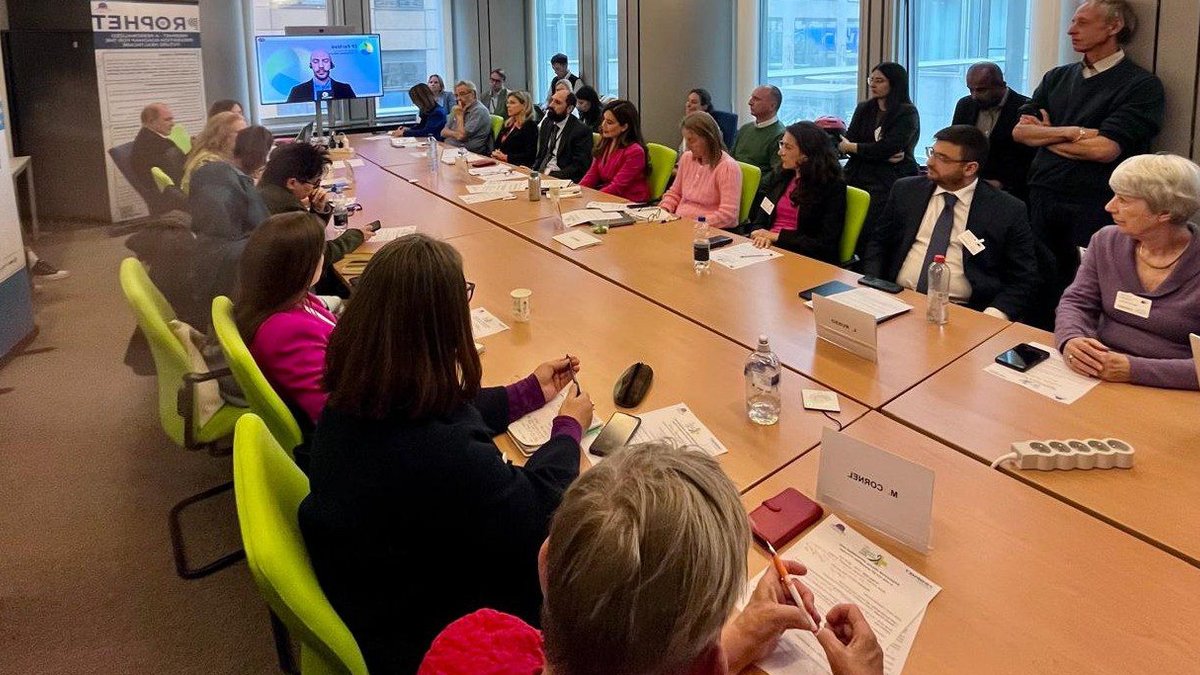
Twenty years after its launch, European Patients’ Rights Day has expanded from a small advocacy effort into a continent-wide movement. The initiative now calls for healthcare systems centered on citizens, emphasizing prevention tailored to individual needs rather than just treatment.
The 20th anniversary event took place in Brussels on May 12, 2026. Over 40 participants from 18 countries attended in person, while more than 150 online requests came from 34 nations. Organizers presented the gathering as a demand: personalized prevention should be a right, not a privilege.
From early diagnosis to individual risk profiles
Prevention has transformed over the past two decades. When the European Charter of Patients’ Rights first identified preventive measures as a cornerstone, the approach focused on public health campaigns and early screenings. Now, it includes genomic testing, digital risk assessments, and interventions shaped by biology, environment, and socioeconomic factors.
These changes bring both opportunities and challenges. Scientific advances may help detect diseases before symptoms appear, but without equitable access and public trust, the same tools could widen inequalities. Discussions at the event repeatedly addressed this balance—ensuring innovation does not leave people behind.
Mariano Votta, director of Active Citizenship Network, the EU branch of Cittadinanzattiva, stated that patients can no longer be passive recipients of care. “They must be active partners in governance, research, and policy,” he said. The organization has long operated on this principle, but the stakes have risen. MEP Brando Benifei stressed the unsustainable social and economic burden of preventable diseases, estimated to account for nearly 69% of healthcare expenditure.
The issue extends beyond finances. A divide could emerge where some citizens benefit from personalized prevention while others remain excluded. Representatives from the European Patients’ Forum highlighted this risk during discussions.
Related: Hidden Harsh Chemicals Found in Common Beauty Products
A roadmap for equitable prevention
The event drew on findings from the EU-funded PROPHET project, led by Università Cattolica del Sacro Cuore. Its Strategic Research and Innovation Agenda sets priorities for expanding personalized prevention across Europe. Key areas include improving health literacy, strengthening data governance, and ensuring citizen participation in decision-making.
The obstacles are not just scientific but political. Europe’s aging population, rising chronic diseases, and budget pressures make prevention essential. Turning that need into policy means addressing gaps in access, education, and trust. The PROPHET agenda proposes starting with small steps: pilot programs in underserved regions, clearer communication about genetic testing, and frameworks for secure health data sharing.
Twenty years ago, when the European Patients’ Rights Day was launched by Active Citizenship Network, the idea of placing patients’ rights at the centre of European health policies was still far from mainstream. Today, after two decades of civic engagement, institutional dialogue and advocacy across Europe, that vision is more relevant than ever.
Regular physical activity also plays a role in maintaining brain health naturally, a factor that could further support preventive care strategies.
The event was hosted by MEP Brando Benifei and supported by the MEPs Interest Group on European Patients’ Rights & Cross-Border Healthcare. Funding came from the PROPHET project, with additional backing from pharmaceutical companies MSD, Redcare Pharmacy, and Viatris.


