Simple daily habit may prevent kidney disease
Most people don’t think about their kidneys until something goes wrong. A new study suggests waiting may be a mistake—and the solution could be simpler than expected.
The decade-long study of nearly 100,000 adults
Scientists tracked 98,374 middle-aged adults for a median of 9.41 years. None had chronic kidney disease at the beginning. Their diets were measured against the Planetary Health Diet, an eating plan centered on vegetables, fruits, and whole grains.
Participants who adhered most closely had a 26% lower risk of developing chronic kidney disease. The benefit persisted after accounting for age, weight, and other health factors. Whole foods—vegetables, fruits, and whole grains—proved most important when eaten regularly over time.
Few dietary studies show this level of impact on a disease that often progresses without symptoms. The approach didn’t require eliminating food groups. It encouraged eating more of what already supports health.
How vegetables and fruits ease kidney strain
The kidneys filter about 50 gallons of blood daily, removing waste from food, water, and air. A diet rich in vegetables and fruits appears to lighten that load.
Potassium, antioxidants, and plant compounds emerged as key elements. Fiber also helps by stabilizing blood sugar and blood pressure—two major contributors to kidney stress over time.
The study focused on adding foods rather than restricting them. Small, steady changes in diet can produce significant long-term benefits for kidney health.
Other factors also affect kidney function. Water quality, medication buildup, and daily chemical exposure add to the kidneys’ workload. While diet offers one effective tool, a full protective strategy likely involves addressing multiple elements together.
Related: Brain Cells Change Between Ages 50 and 75
Previous research has connected plant-rich diets to better organ function, though this study’s size makes it notable. Similar benefits have appeared in studies on heart disease and diabetes, but kidney disease often remains unnoticed until advanced stages. A simple dietary shift producing measurable results deserves attention.
Practical steps for a kidney-supportive diet
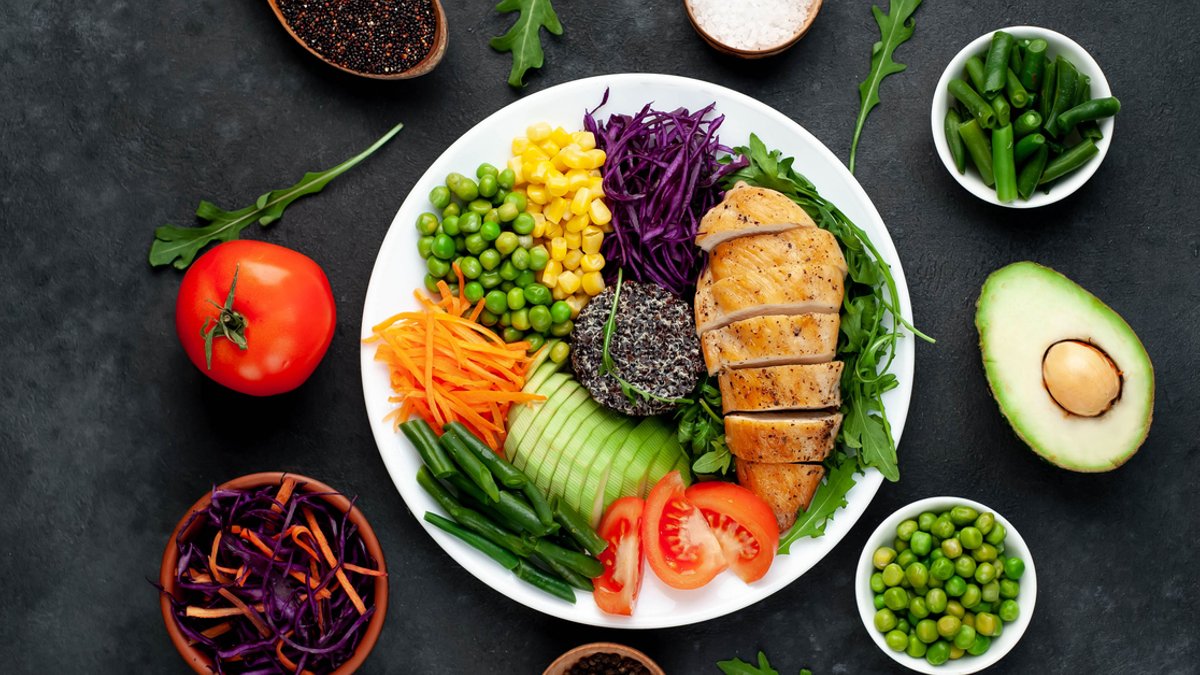
The study’s advice is straightforward. Fill half your plate with vegetables and fruits at most meals. Colorful produce provides the potassium and antioxidants linked to the strongest outcomes. Choosing organic options can reduce pesticide exposure, easing the kidneys’ burden.
Include legumes like lentils or chickpeas several times a week. They supply fiber and plant protein without requiring drastic changes. Whole grains—brown rice, barley, quinoa—can replace refined grains while keeping meals familiar.
Gradual, consistent adjustments work better than occasional perfect meals. Participants didn’t transform their diets overnight. They made small changes that accumulated over years.
Unanswered questions about kidney health
The findings highlight diet’s role but also reveal gaps. The kidneys don’t operate alone—they’re part of a detoxification system that includes the liver and lymphatic pathways. Toxins from water, packaging, and personal care products create challenges food alone can’t fully address.
The large participant group provided a strong foundation. More research is needed to understand the full range of daily pressures on the kidneys.
For those looking to support their body’s natural stress relief mechanisms, reducing kidney strain through diet may offer additional benefits.

Ancient Remedy Offers Stress And Anxiety Relief


