Exercise Boosts Brain Health Naturally
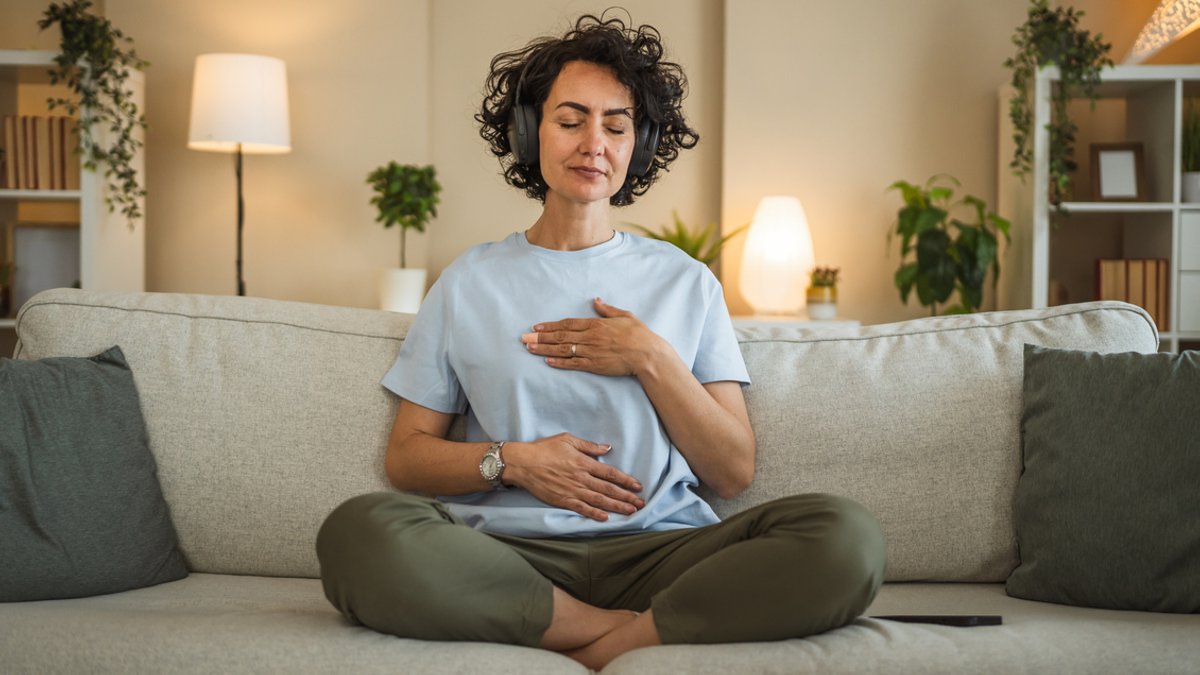
The practice of meditation has moved beyond spiritual circles into clinical research, where scientists now use blood tests and brain scans to measure its effects. Researchers at the University of California, San Diego recently conducted a study that treated meditation like a medication, scanning participants’ brains and drawing their blood before and after a seven-day retreat. The findings challenge assumptions about the limits of mental training, showing that a week of quiet practice can produce measurable changes in brain activity and metabolism.
Twenty healthy adults were randomly selected from 561 retreat attendees to undergo functional MRI scans before and after the event. The retreat combined intensive meditation, reconceptualization exercises, and open-label healing rituals. After the seven days, brain activity in the default mode network showed decreased integration. This region of the brain is tied to internal mental chatter and self-referential thought. Researchers interpreted the shift as a sign of more efficient brain function, suggesting that less activity spent on internal noise frees up cognitive capacity elsewhere.
The scans provided objective evidence for what meditators have described anecdotally for centuries. A week of practice rewired neural pathways in a way that suggests the brain was working differently, not just resting. This change in the default mode network implies a reduction in the constant background noise of self-focused thinking that often characterizes a busy mind.
Related: Hidden Harsh Chemicals Found in Common Beauty Products
Something in the blood changed after that week of practice. Researchers tested this change in the lab, and the effect acted like fuel for brain cells, helping neurons grow and connect in ways tied to sharper thinking and better memory. In other words, a week of practice appeared to leave a biological residue behind that kept helping the brain long after the retreat ended.
Metabolism picked up too. Cells exposed to post-retreat blood ran their internal engines differently, burning fuel in a more efficient, adaptable way. Natural painkillers rose as well, the same chemicals responsible for that loose, easy feeling after a long walk or a good laugh, only measured here in a lab instead of felt on a run. The immune system told an even more interesting story. Rather than simply calming down or ramping up, immune signals moved in both directions at once, a sign of a system learning to regulate rather than one stuck in a single gear.
It is worth noting that the retreat involved a complete change in daily rhythm, not just the meditation sessions themselves. Participants likely benefited from a break from external stressors and a shift in how they used their time, which contributed to the observed changes. This environment created conditions where the body and mind could respond to the practice in measurable ways.
Related: Special Seed Helps Prevent Heart Disease and Diabetes
Bringing a taste of this practice into an ordinary week does not require a seven-day retreat. Start with ten minutes of seated meditation, not a seven-day retreat. Consistency across weeks matters more than any single dramatic session. Even short daily practice builds the same neural pathways researchers tracked. Apps and free guided recordings make this accessible without travel or cost.
Layer in slow, intentional breathing during the practice. Extended exhales activate the body’s calming nervous system response. That same pathway likely plays into the pain-relief and immune findings from this study. Five minutes of slow breathing before or after meditation deepens the effect. Protect sleep and reduce stimulant intake around a meditation practice. The retreat participants changed their entire daily rhythm, and that combination likely mattered. Supporting the nervous system outside of formal practice time gives meditation more room to work.
While a single week of meditation produced measurable changes, it does not address the root causes of chronic stress. Every one of those pain-relief and immune shifts researchers measured traces back to the same overworked stress response the adrenal glands manage around the clock. Chronic stress rarely lives in the mind alone, and a brief period of quiet practice may not be enough to reset a system that has been under pressure for years. Understanding what has been driving the exhaustion in the first place might move the needle even further. Ancient Remedy Offers Stress And Anxiety Relief breaks down how chronic stress quietly drains adrenal function and offers food-based strategies for rebuilding energy from the ground up.

Hidden Harsh Chemicals Found in Common Beauty Products


