Safe Blood Sugar Balance Without Prescription Drugs
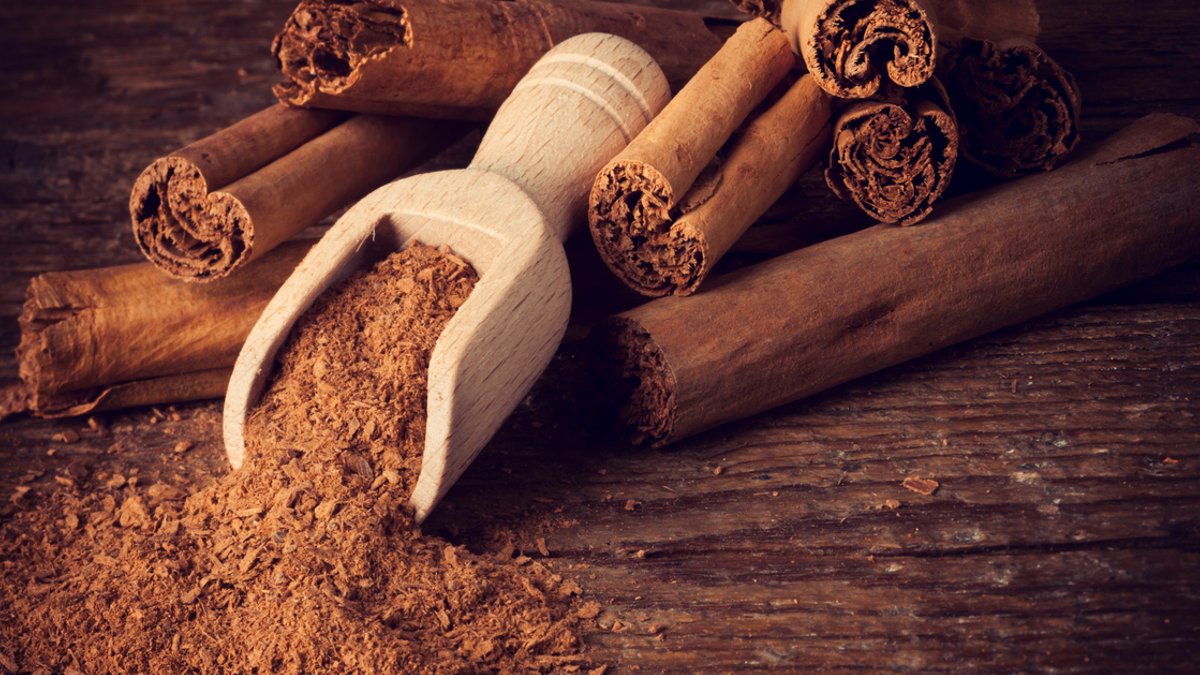
New research suggests that a common kitchen spice could help people manage blood sugar, cholesterol and blood pressure without relying on prescription medication.
Meta‑analysis links cinnamon to measurable health improvements
A team of scientists combined 21 meta‑analyses that together examined 139 head‑to‑head trials of cinnamon versus placebo. All participants in those studies had diabetes, metabolic syndrome or raised blood pressure. The results, published in Frontiers in Nutrition, showed consistent reductions in HbA1c, total cholesterol, LDL cholesterol and systolic pressure.
Most of the benefit appeared when participants took more than 1.5 grams of the spice daily – roughly three‑quarters of a teaspoon – for up to two months. The data did not show the same magnitude of change for longer‑term use, a pattern the researchers attribute to possible shifts in how the body processes the plant compounds over time.
Choosing the right type and amount
Two varieties dominate the market. Ceylon cinnamon, often labeled “true cinnamon,” contains only trace amounts of coumarin, a compound that can be toxic in large doses. Cassia cinnamon – the type most grocery stores stock – has higher coumarin levels and should be limited to about a teaspoon or less per day if used regularly.
Related: Dark Chocolate May Aid Liver Health
Consumers can check labels for “Ceylon” or “true cinnamon.” When the type is unclear, keeping daily intake modest and pairing the spice with meals that already include fiber and protein is a prudent approach. People who already take diabetes medication should discuss use with a holistic‑care practitioner, as it may interact with certain drugs.
While the spice shows promise, it does not replace broader lifestyle changes. Toxin accumulation, insulin resistance and chronic inflammation often develop well before clinical markers rise.
Addressing those underlying factors typically requires a combination of diet, exercise and, in some cases, medical therapy.
In practice, the modest daily dose recommended by the studies can be incorporated into a breakfast routine – a sprinkle on oatmeal or stirred into coffee – without drastically altering eating habits.
Related: Is a Sunbed Tan Worth the Risk
They should monitor their health.
Experts caution that the effect is not a cure‑all. Long‑term outcomes remain unclear, and reliance on cinnamon alone could delay needed medical intervention. Ongoing monitoring of blood work and regular consultations with health professionals remain essential.
Overall, the findings add to a growing body of evidence that certain dietary components can influence key health metrics. As research continues, clinicians may consider recommending the spice as a supplemental strategy, provided patients are aware of dosage limits and potential drug interactions.

Dark Chocolate May Aid Liver Health


