Spinach quietly cuts blood pressure, researchers find
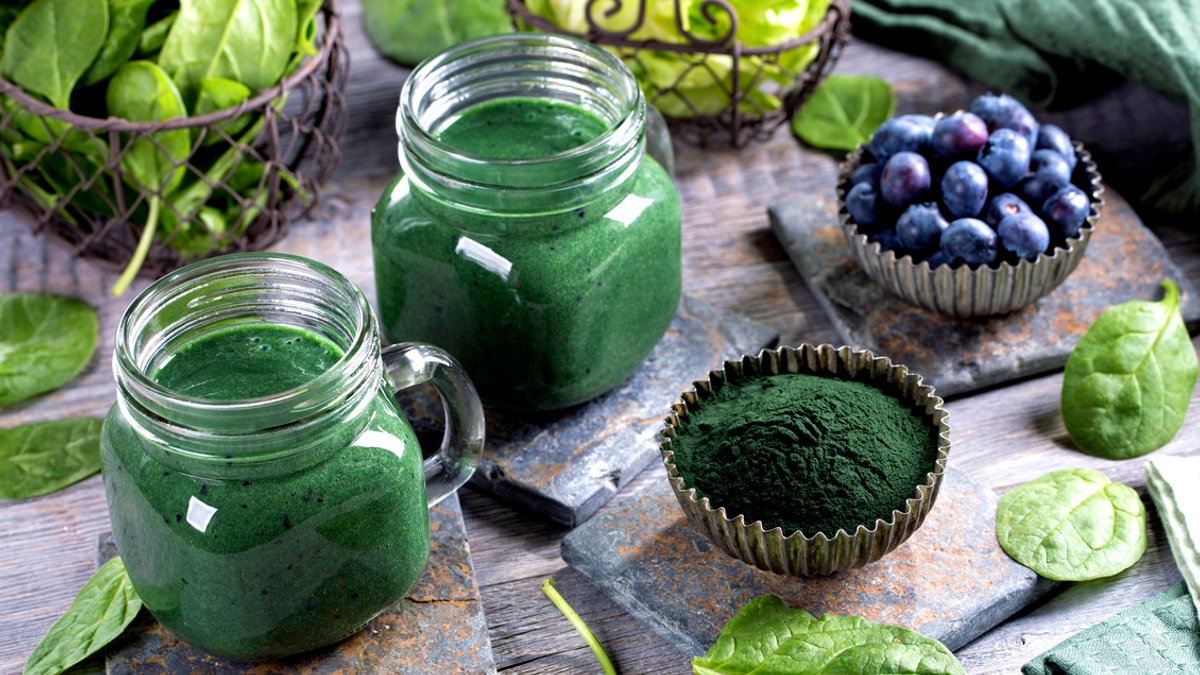
The recent analysis of edible algae highlights a green food that may lower blood pressure without prescription drugs.
Study finds modest drops in systolic and diastolic readings
Researchers from the United Kingdom and Spain pooled data from 29 randomized controlled trials, involving 1,583 adult participants. The meta‑analysis, published in the Journal of Human Nutrition and Dietetics in July 2025, compared blood pressure changes in people who consumed whole edible algae with those who did not.
On average, systolic pressure fell by about 2 mm Hg, while diastolic pressure decreased by nearly the same amount. The effect was strongest among participants who entered the studies with high readings, suggesting the food may be most useful for those already at risk.
Spirulina shows the greatest impact
Among the algae examined, spirulina—a blue‑green algae sold as a powder—produced the most pronounced results. In trials where participants took spirulina, systolic pressure dropped more than 5 mm Hg and diastolic pressure fell close to 4 mm Hg. Those numbers approach the reductions seen with some prescription medicines for mild hypertension.
Related: Spice intake linked to reduced inflammation
Timing and dosage mattered. Consuming at least 3 grams of whole algae daily for a minimum of 12 weeks yielded the clearest benefits. Whole‑food forms also outperformed isolated extracts, implying that the combination of nutrients in the intact plant plays a role.
Edible algae bring together potassium, antioxidant pigments, and peptides that support vascular function. Nori and kelp contain naturally occurring nitrates, similar to those found in leafy greens such as spinach and arugula. Spirulina adds phycocyanin, a blue pigment thought to help blood vessels relax.
The mix of these compounds appears to make the whole food more effective than single‑ingredient supplements. A balanced intake may improve sodium handling and vessel tone, leading to the modest but consistent blood‑pressure declines observed in the studies.
Practical ways to add algae to the diet
Spirulina powder blends easily into smoothies; a teaspoon delivers a meaningful amount without dominating flavor.
Related: Chalkboard Campaign Urges Ban on Data Sales
Dried nori sheets—commonly used to wrap sushi—can be eaten straight from the package or crumbled over rice and salads. Pairing seaweed with other nitrate‑rich vegetables, such as beets, spinach, or arugula, may amplify the vascular benefits.
Home blood‑pressure monitors provide a convenient way to track changes. Using the device at the same time each day gives a clearer picture than occasional clinic visits. Since the trials identified a 12‑week period as the point at which effects emerged, a similar timeframe can serve as a realistic window for personal observation.
While high blood pressure often lacks symptoms until damage occurs, relying solely on medication may ignore underlying inflammation and vessel stiffness. Incorporating a green food like edible algae offers a complementary approach that works with the body’s own systems.

Spice intake linked to reduced inflammation


