Spice intake linked to reduced inflammation
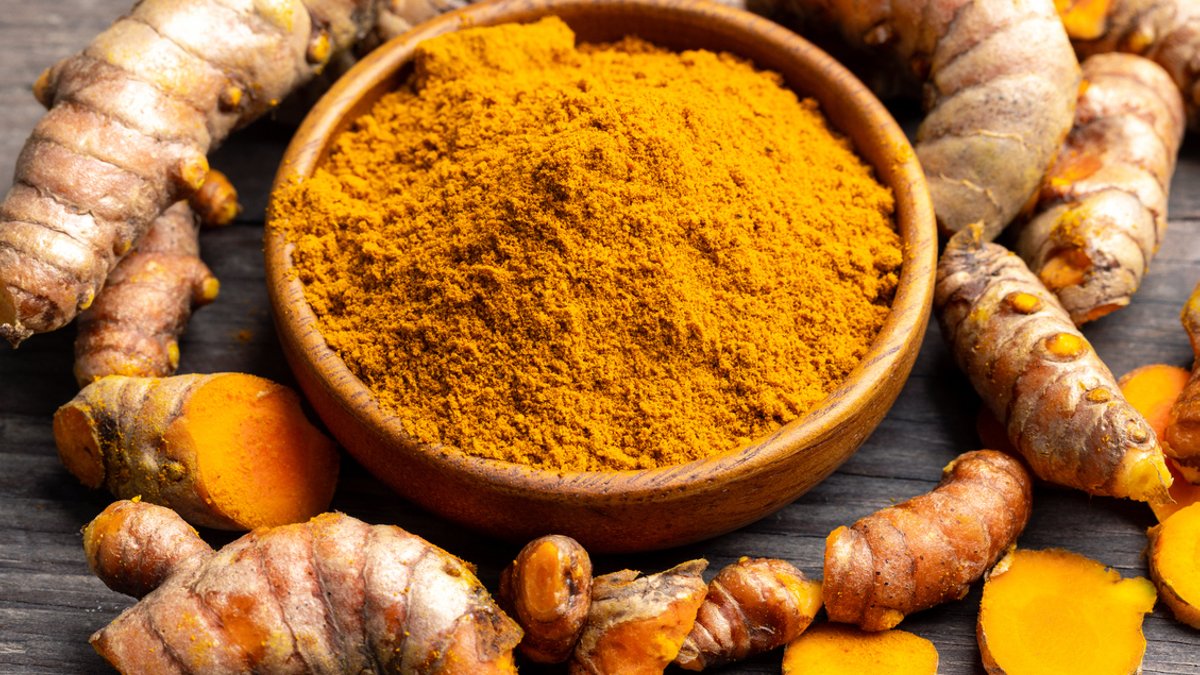
A new analysis of 21 clinical trials found that curcumin, the active compound in turmeric, reduces two key inflammation markers commonly measured in blood tests.
The review, published in BMC Complementary Medicine and Therapies in July 2025, combined data from 1,705 patients with knee osteoarthritis across seven countries. Scientists monitored six inflammation markers, but only two showed steady improvement in groups receiving curcumin compared to those given a placebo or standard treatment.
CRP and TNF-alpha respond to curcumin
C-reactive protein (CRP), a marker associated with systemic inflammation, fell significantly in patients taking curcumin. Raised CRP levels often appear years before chronic conditions such as heart disease or diabetes develop, making it a widely used early warning sign.
TNF-alpha, a protein that fuels much of the body’s inflammatory response, also declined. The effect was less reliable when the team applied different statistical models to the data.
Doses in the trials ranged from 80 milligrams to 1,500 milligrams daily, and formulations varied from pure curcumin to turmeric root and supplements combined with black pepper extract. Despite these differences, the impact on CRP stayed consistent, indicating the benefit isn’t limited to a single product or method.
How curcumin works at the cellular level
Curcumin doesn’t just mask symptoms like conventional pain relievers. It disrupts the biological process that keeps joint tissue inflamed long after an injury or wear-and-tear occurs. The compound calms signaling pathways that sustain inflammation, which may explain why CRP responded so reliably across different study designs.
Related: Jennifer Aniston’s summer workout revealed by trainer
This mechanism could extend beyond osteoarthritis. Since CRP reflects whole-body inflammation, the results suggest curcumin may help manage low-grade, chronic inflammation linked to various health issues.
Results take time. Trials that showed benefits lasted weeks or months, so occasional use—such as adding turmeric to a single meal—is unlikely to produce noticeable changes in markers like CRP. A daily routine, whether through cooking or supplements, matches the approach used in the research.
Some studies improved absorption by pairing curcumin with black pepper extract. Piperine, the compound responsible for black pepper’s bite, can dramatically improve how much curcumin the body absorbs. Many supplements include piperine for this reason, and adding a pinch of black pepper to turmeric dishes might enhance the effect.
For broader support, combining turmeric with other anti-inflammatory foods may strengthen the outcome. Wild-caught fatty fish, walnuts, and flaxseeds supply omega-3s, which operate through a different pathway than curcumin. Leafy greens and berries contribute polyphenols that support the same overall anti-inflammatory process.
The findings held steady across multiple countries and study designs. Most interventions don’t survive such scrutiny, suggesting curcumin’s effect on inflammation isn’t just a coincidence tied to one trial or group.
For now, the evidence confirms curcumin’s influence on CRP and TNF-alpha isn’t exaggerated. It represents a measurable change in markers doctors already rely on to evaluate inflammation, with potential implications beyond joint health. Those interested in natural approaches to managing mood-related inflammation might find additional strategies here.

New approach reveals hidden cures for depression and anxiety


