Flaxseed consumption linked to reduced liver failure risk
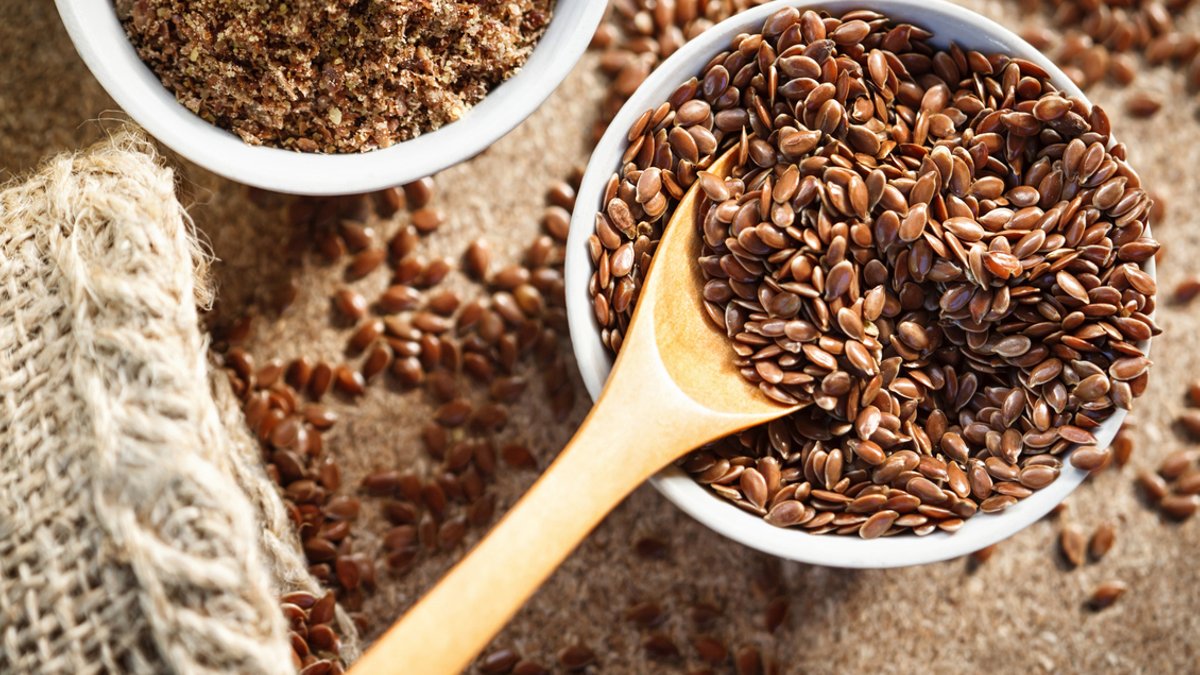
Adding flaxseed to a morning routine might feel like a minor dietary adjustment, but recent research suggests it could play a significant role in preventing liver damage. A clinical trial published in Food & Function in 2025 investigated how a daily dose of ground flaxseed affects the progression of nonalcoholic fatty liver disease. The study, which focused on adults with this condition, used detailed magnetic resonance imaging rather than standard blood tests to track changes in liver health over a 12-week period.
Researchers divided 50 adults into two groups. One group received 30 grams of flaxseed powder daily alongside standard health education, while the other group received education alone. The results showed a clear difference in how the liver responded to the added fiber and nutrients. The flaxseed group experienced a marked reduction in liver fat compared to the control group.
Related: Probiotics may help prevent gum disease
The study highlighted three primary mechanisms behind this improvement. First, flaxseed directly reduced the fat stored within liver tissue. Second, it altered gut bacteria composition, specifically increasing beneficial strains like Bifidobacterium. This shift connects to the gut-liver axis, potentially easing inflammation. Third, the seeds appeared to lower the metabolic workload on the organ by improving blood sugar and cholesterol levels simultaneously.
Flaxseed contains lignans, plant compounds that act as mild phytoestrogens, and is a rich source of ALA omega-3 fatty acids. While the trial focused on liver outcomes, researchers noted that these same compounds have been linked to cardiovascular benefits in other studies, such as improved cholesterol and blood pressure management. The fiber content also supports digestion and feeds beneficial gut bacteria, suggesting the seeds offer systemic health benefits beyond the liver.
How to safely add flaxseed to your diet
To reap these potential benefits, preparation matters. Whole flaxseeds often pass through the digestive tract without breaking down, so grinding them fresh releases the fiber and lignans for absorption. A small coffee grinder dedicated to seeds works effectively. Starting with one teaspoon and gradually increasing the amount over two weeks can help avoid digestive discomfort.
Related: Routines aid elderly in staying independent
Hydration is also key when adding soluble fiber to the diet. The fiber absorbs liquid as it moves through the digestive tract, so drinking plenty of water is essential. Pairing the seeds with oatmeal, yogurt, or a smoothie makes this addition to a liver-supportive routine relatively simple. However, the condition often develops silently, meaning many people do not realize they have fatty liver until advanced stages.
Experts emphasize that routine checkups sometimes miss early signs of liver stress, prompting calls for more functional testing to catch issues years before they become critical. While this specific trial offers promising data, ongoing research is needed to fully understand the long-term impact of regular flaxseed consumption on liver function. For those already managing risk factors like excess weight or insulin resistance, the results suggest that a simple dietary change warrants serious consideration.

Probiotics may help prevent gum disease


