Simple home changes cut fall risks
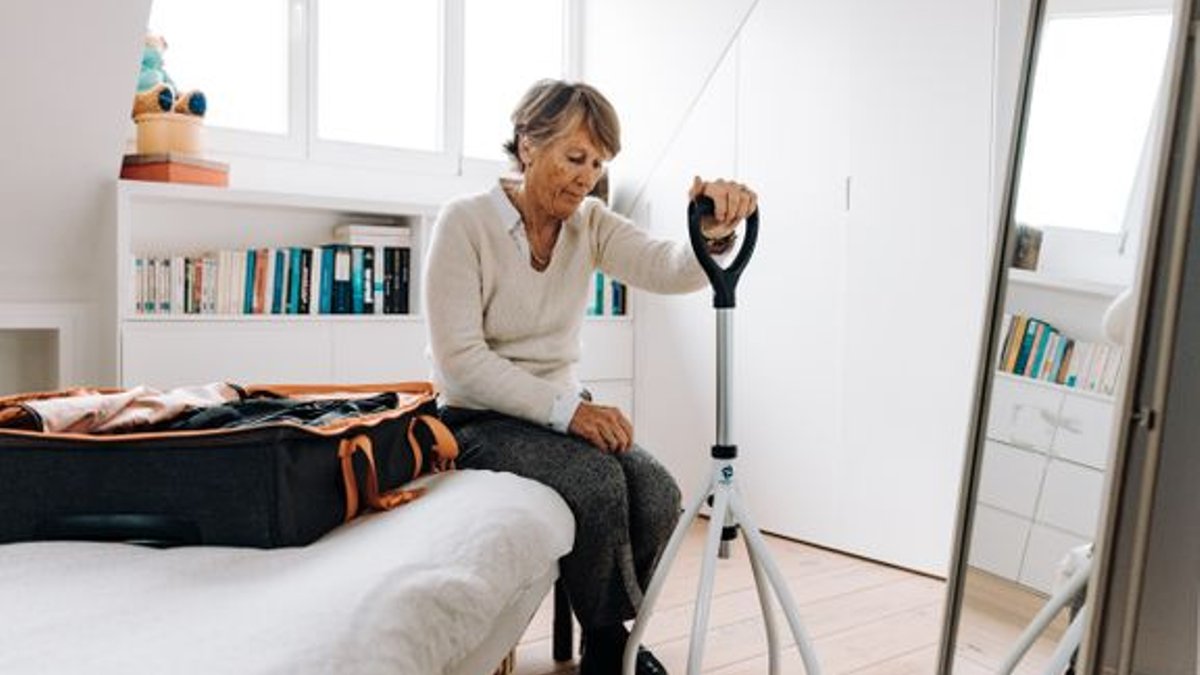
Every year, millions of adults 65 and older visit emergency rooms after a fall. According to the Centers for Disease Control and Prevention, falls are the leading cause of injury among adults 65 and older. Most incidents occur inside the home—not on icy sidewalks or uneven pavement, but in familiar spaces like bathrooms, hallways, and staircases.
Many of these injuries could be prevented with small changes to the home. Some modifications require professional installation while others take only a few minutes. None need to resemble medical equipment.
Where Falls Happen Most
Bathrooms pose the greatest risk. Wet floors, slick surfaces, and stepping over tub edges create dangerous conditions. Bedrooms and kitchens follow, often due to poor lighting or cluttered pathways. Stairs, even short flights, become more hazardous as balance and strength decline.
Raised thresholds between rooms and stairs without secure handrails are frequent hazards. These problems develop gradually, so homeowners often ignore them until an accident occurs.
Simple Fixes That Make a Difference
Grab bars near toilets and showers offer stability where it matters most. Unlike towel bars, they support body weight and must be anchored into wall framing. Modern versions come in finishes that match bathroom fixtures, allowing them to blend in.
Related: Enhance your business with reliable cloud analytics services
Walk-in showers remove the need to step over a tub edge. Many include built-in benches and slip-resistant flooring. Improved lighting—particularly in hallways, staircases, and entryways—helps prevent missteps. Under-cabinet lights in kitchens and motion-activated nightlights in bedrooms can also help.
Removing tripping hazards ranks among the easiest and most affordable safety improvements. Extension cords across walkways, loose rugs, and floor clutter should be cleared. Flooring choices matter too: highly polished or worn surfaces can become slippery when wet. Non-slip mats or replacing flooring with slip-resistant materials reduces risks in bathrooms, kitchens, and entryways.
Stairs need careful attention. Handrails on both sides provide extra support, and repairing loose or uneven steps prevents falls. A zero-step entrance at the front door makes entry easier for those using walkers, wheelchairs, or canes. Widening doorways improves accessibility and gives more space.
No home can eliminate every risk. But reducing hazards, improving visibility, and adding support where needed makes a difference. The aim isn’t to turn a home into a hospital room—it’s to keep it feeling like home while making it safer.
Understanding how family planning confidence grows through education can also help older adults prepare for future care needs.

Fertility education boosts family planning confidence


