Your Brain May Suffer After Years of Wrong Olive Oil
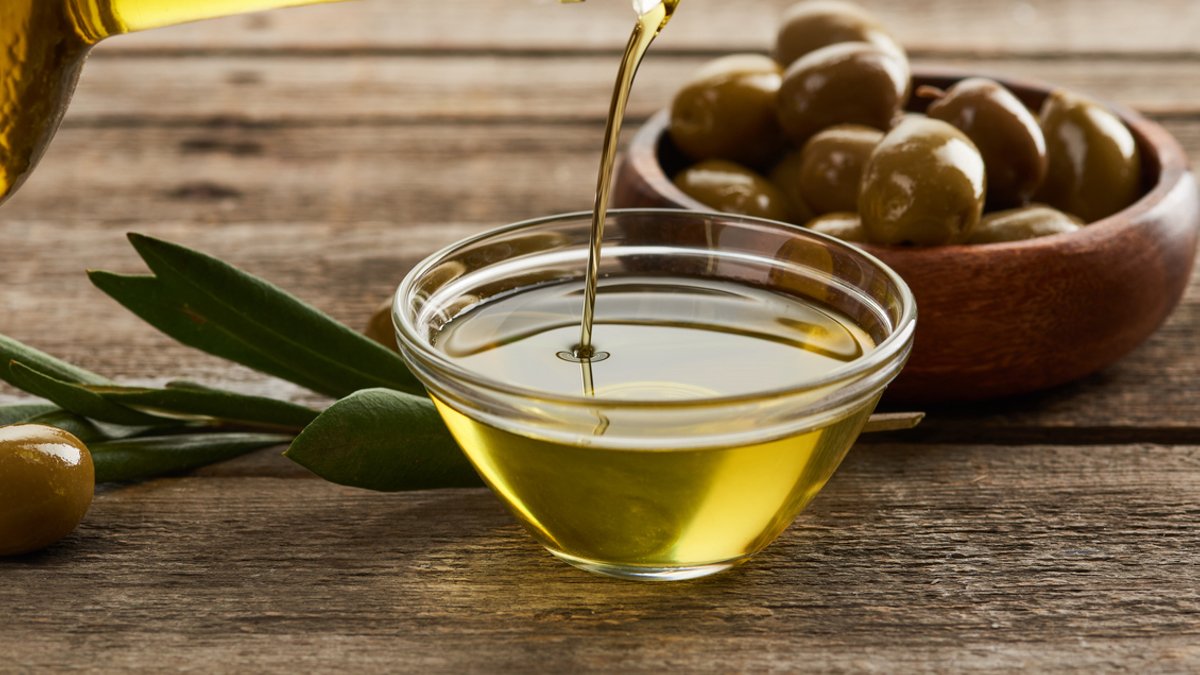
Most people treat olive oil like an interchangeable pantry staple, grabbing whichever bottle looks familiar on the shelf without much thought. However, new research suggests that habit may be costing people something important. A prospective study following older adults for two years found something notable. Olive oil type is tied to measurable differences in memory, thinking speed, and language skills. Notably, the mechanism runs through an unexpected pathway: the bacteria living in the gut.
Scientists at the Universitat Rovira i Virgili in Spain followed 656 adults between the ages of 55 and 75. All carried extra body weight and metabolic risk factors. The study, published in the journal Microbiome in January 2026, tracked olive oil intake, gut bacteria composition, and cognitive test performance over two years.
The results split clearly along one line. Participants who favored virgin olive oil over refined versions showed better preservation of global cognition, executive function, and language skills. Meanwhile, those leaning on refined olive oil saw their gut bacteria diversity decline over the same period. Consequently, researchers connected that decline to faster cognitive slippage.
Not all olive oil undergoes the same processing. Virgin and extra virgin varieties retain the polyphenols and antioxidant compounds naturally present in the olive. However, refined oils lose much of that content during industrial processing. Researchers identified one bacterial genus, Adlercreutzia, as a possible link between virgin olive oil intake and preserved brain function.
That finding fits into a growing body of evidence connecting gut bacteria to brain health. Scientists call this pathway the gut-brain axis. Bacteria in the digestive tract produce compounds that influence inflammation and signaling throughout the nervous system. Consequently, food does not just feed the body, but shapes a bacterial ecosystem that communicates directly with the brain.
Related: Probiotics may help prevent gum disease
While this Spanish cohort offers the clearest mechanistic picture so far, a much larger body of evidence backs the same conclusion. For example, a Harvard-led analysis published in JAMA Network Open in 2024 followed more than 92,000 adults for 28 years. Researchers found that people consuming at least half a tablespoon daily had a 28% lower risk of dying from dementia.
That benefit held up even after accounting for genetic dementia risk and overall diet quality. Together, these two studies span both everyday brain function and long-term dementia outcomes. Researchers on the newer study were direct about one limitation: the observational design cannot prove olive oil alone causes better cognitive outcomes. Still, the consistency between a two-year cognitive study and a 28-year mortality study strengthens the overall picture.
Choose organic extra virgin oil specifically, and skip anything labeled simply “olive oil” or “light.” Those labels typically signal a refined product carrying fewer of the beneficial polyphenols this research points to. Therefore, check for a cold-pressed label and a harvest date, since fresher oil retains more of those compounds. Feed the gut bacteria connected to this benefit with fiber-rich foods alongside olive oil. Organic vegetables, legumes, and whole grains give beneficial bacteria the fuel they need to thrive, working alongside polyphenols rather than competing with them. Additionally, fermented foods like sauerkraut and kimchi add further gut microbiome diversity. Researchers increasingly tie that diversity to brain health.
Treat consistency as more important than any single dramatic change. Both studies followed people over years, not weeks. That pattern suggests daily use matters more than an occasional splurge. Swapping margarine, mayonnaise, or refined vegetable oils for extra virgin olive oil in everyday meals builds that habit gradually.
Consuming flaxseed might also support liver function and overall metabolic health. This dietary choice could help protect organs from the strain of processed foods and high-fat diets. Flaxseed consumption linked to reduced liver failure risk

Flaxseed consumption linked to reduced liver failure risk


