Coconut oil’s healing benefits explained
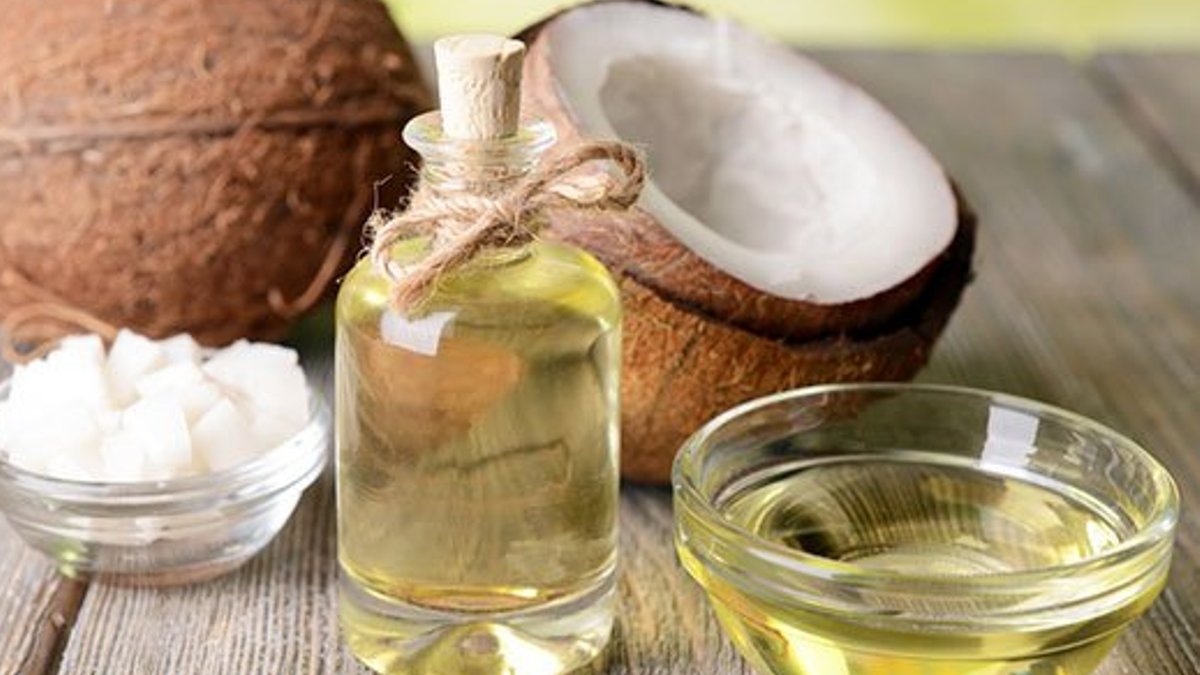
For decades, coconut oil has been at the center of nutritional debates. Some experts warn about its saturated fat content and potential risks to heart health. Others promote it as a beneficial food with healing properties. This disagreement has left many consumers uncertain whether to use it in their daily routines.
Saturated fat and heart disease: a flawed equation
The warning against saturated fats in coconut oil, butter, and red meat originated from mid-20th century studies linking them to heart disease. However, the evidence was never as straightforward as public health campaigns suggested. Some individuals with high cholesterol and fat intake never develop heart problems, while others with low levels do. These inconsistencies have led scientists to reconsider whether focusing solely on saturated fat overlooks other important factors.
Opponents of the anti-fat perspective note that Americans consume far more processed foods and refined sugars than coconut oil. Despite this, heart disease rates remain high. If coconut oil were the main issue, populations in tropical regions where it is a dietary staple would likely show higher rates of cardiovascular problems. Instead, some studies indicate these groups have lower rates of heart disease compared to Western nations.
Coconut oil contains a high amount of medium-chain triglycerides (MCTs), which are processed differently than the long-chain fats found in animal products.
What sets some coconut oils apart
Processing methods, sourcing, and additives create significant differences among coconut oils. Cold-pressed, virgin coconut oil preserves more natural compounds, including antioxidants and lauric acid, which has antimicrobial effects. Refined versions, often labeled as “RBD” (refined, bleached, deodorized), go through high-heat processing that removes some of these beneficial components.
Packaging also plays a role in quality. Some brands use plastic containers that may leach chemicals into the oil over time, particularly when exposed to heat or light. Glass jars or food-grade metal tins are considered better options.
Related: Western fashion brand Ringers rides in style
Pamela Schmidt, a dentist and naturopathic physician, has promoted coconut oil for oral health through oil pulling. This practice involves swishing a tablespoon of oil in the mouth for 10-20 minutes to reduce harmful bacteria. Schmidt, who holds degrees in both dentistry and naturopathic medicine, believes coconut oil’s antimicrobial properties make it effective for this use. She received the “Lucy Hobbs Project” Innovator award for her work in integrative dental medicine.
How much is too much?
Even supporters of coconut oil advise against excessive use. Nutritionists typically recommend using it in moderation, replacing other fats in cooking rather than adding it to an already high-fat diet. For oil pulling, one tablespoon per session is the standard recommendation.
The discussion about coconut oil reflects broader changes in nutritional science. Simple labels of “good” and “bad” foods rarely hold up under examination. What benefits one person may not help another, as individual factors like genetics and overall diet play a role. For now, coconut oil remains a contentious ingredient—some people rely on it, while others avoid it entirely.
Science continues to explore the role of fats in health. As new findings emerge, recommendations will likely change. Until then, coconut oil’s place in a healthy diet may depend on how it fits into an individual’s eating patterns.
Those interested in how diet affects brain function can find more information on natural ways to support cognitive health.

Leafy greens linked to sharper brain function


